
An endocrine disruptor is a chemical that gets in the way of your body's hormone system, and that interference can cause serious health problems. These chemicals are tricky—they can mimic, block, or completely scramble the natural messages that your hormones send to regulate growth, metabolism, and even reproduction.
Understanding the Body's Chemical Messengers
To really get a handle on endocrine disruptors, we first need to talk about the endocrine system itself. The best way I’ve found to explain it is to think of it as your body's own internal communication network. Hormones are the messengers, sent out by glands like your thyroid or ovaries with specific instructions for cells all over your body.
These cells have perfectly shaped "docks," called receptors, that are waiting for a specific hormone to arrive. When a hormone like estrogen connects with its matching receptor, it kicks off a chain reaction that controls everything from how your bones grow to your mood. It’s an incredibly precise system where timing and balance are everything. Even tiny disruptions can throw the whole thing off course.
How Disruptors Interfere
This is where endocrine-disrupting chemicals, or EDCs, come in. They're essentially impostors that mess with this delicate communication system. Most are man-made chemicals found in countless products we use every day, and their molecular structure is just similar enough to our own hormones to fool our cells.
These chemicals can essentially hijack your hormonal pathways. They might imitate a natural hormone and deliver the wrong instructions, or they can sit in the receptor and block the real hormone from ever delivering its message.
This interference is a big deal because we’re exposed to them all the time. Scientists have flagged over 1,000 chemicals as potential EDCs, and they show up everywhere—from our food packaging and water bottles to our cosmetics and couches. It’s this constant, low-level exposure from so many different sources that makes it so important to understand what they are and where they’re hiding.
To help you get started, here's a quick guide to some of the most common culprits you'll encounter.
Common Endocrine Disruptors And Where To Find Them
This table is a handy reference guide to some of the most widespread endocrine-disrupting chemicals and where you're most likely to find them in your daily life.
| Disruptor Name | Chemical Class | Common Sources |
|---|---|---|
| BPA (Bisphenol A) | Bisphenols | Plastic containers, can linings, thermal paper receipts |
| Phthalates | Plasticizers | Fragrances, vinyl flooring, personal care products, soft plastics |
| PFAS | Surfactants | Non-stick cookware, waterproof fabrics, food packaging |
| Parabens | Preservatives | Cosmetics, lotions, shampoos, processed foods |
| Flame Retardants | PBDEs | Furniture, electronics, carpets, building materials |
| Pesticides | Organophosphates | Conventionally grown fruits and vegetables, bug sprays |
Knowing where these chemicals lurk is the first step. By recognizing the sources, you can start making more informed choices to reduce your family's exposure.
How Endocrine Disruptors Hijack Your Body's Hormones
Think of your hormone system as an intricate postal service. Specific messages (hormones) must be delivered to the right mailboxes (receptors) for your body to function correctly. Endocrine-disrupting chemicals (EDCs) are like master impostors who’ve perfected ways to intercept, block, and completely corrupt this vital communication network.
This isn't just random chaos. These chemicals have a few signature moves. By understanding their tactics, you can start to see how everyday substances in plastics, pesticides, and personal care products can have such profound effects on your health. EDCs typically wreak havoc in one of three ways.
Tactic 1: The Hormonal Impostor
The first tactic is mimicking. In this scenario, the chemical's molecular shape is just similar enough to a natural hormone—like estrogen—that it can fool the lock and slip into the hormone's dedicated receptor, its "mailbox."
Once it's in, this chemical impostor delivers a bogus message. It might tell a cell to grow when it shouldn't, divide abnormally, or kick off a process at the completely wrong time. BPA is a classic example; it’s known for mimicking estrogen and triggering responses linked to reproductive and developmental health problems.
This image shows just how many common household items can carry these chemical messengers into our lives.
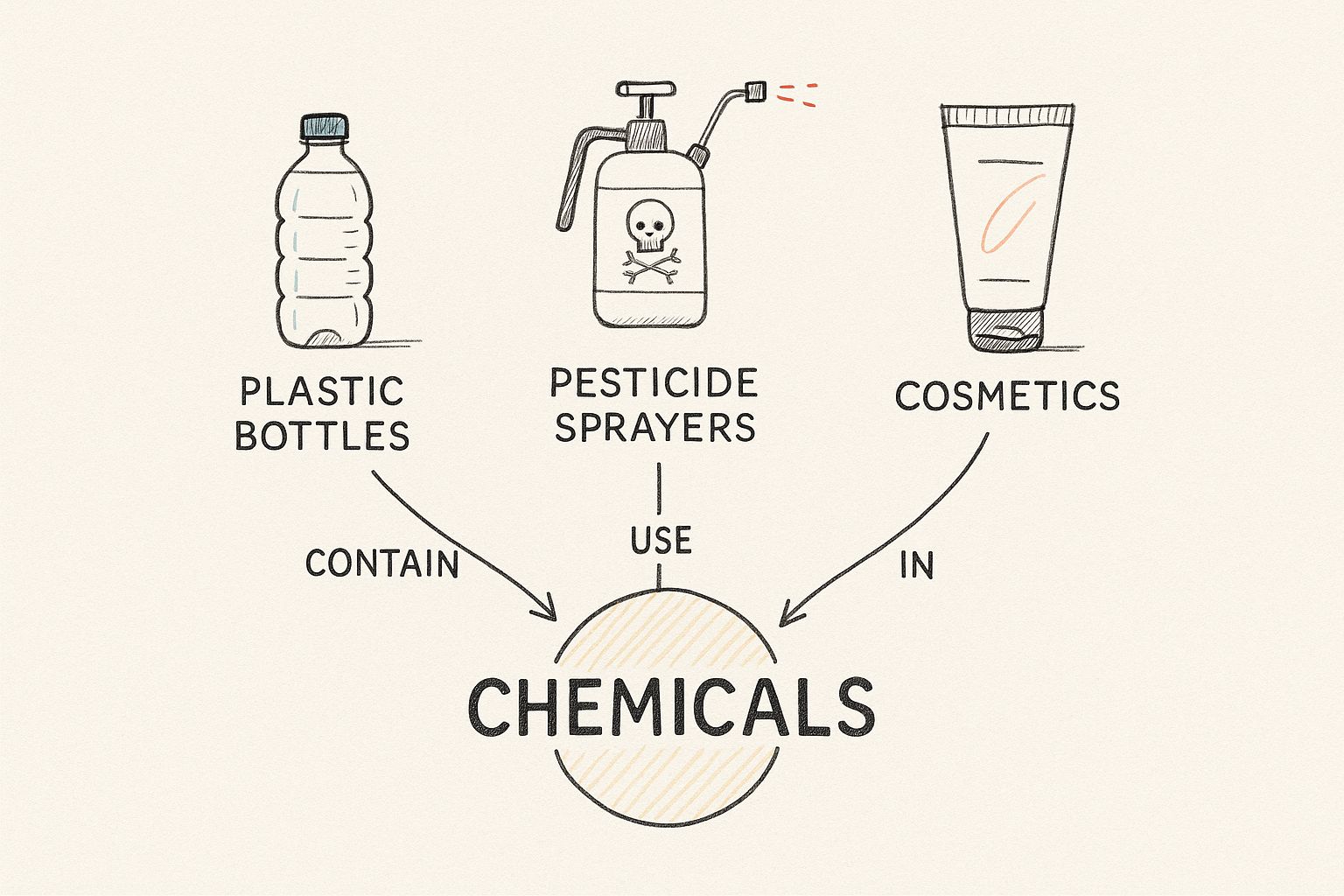
It’s a powerful reminder of how everyday things, from water bottles to cosmetics, can become sources of hormonal interference.
Tactic 2: The Signal Blocker
The second strategy is blocking, sometimes called antagonizing. Instead of delivering a fake message, these EDCs are more like vandals who've stuffed super glue into the mailbox slot.
Here, the chemical wedges itself into the receptor but doesn't activate it. By simply occupying that critical space, it physically prevents your body's real hormone from docking and delivering its instructions. The message never arrives, and the intended function—whether that’s regulating your metabolism or managing stress—never happens.
This blocking action can be especially harmful during critical windows of development, like pregnancy and early childhood, when precise hormonal signals are absolutely essential for healthy growth.
Certain pesticides are known to work this way, blocking androgen (male hormone) receptors and interfering with normal reproductive development.
Tactic 3: The Factory Saboteur
The third tactic is all about messing with the entire production line—the synthesis, transport, and breakdown of your natural hormones. If the other methods are about meddling with mail delivery, this one is about sabotaging the mailroom itself.
These EDCs don't even bother with the receptors. Instead, they go straight for the complex machinery your body uses to produce, move, and get rid of hormones.
- Altering Production: Some chemicals can throw a wrench into the works, either by slowing down or over-stimulating the enzymes that create hormones. For instance, certain substances can interfere with the thyroid gland's ability to produce the hormones that control your metabolism.
- Disrupting Transport: Other EDCs can bind to the proteins that act as couriers, carrying hormones through your bloodstream. This prevents the hormones from ever reaching their intended destination.
- Slowing Breakdown: Some disruptors mess with your body's cleanup crew, slowing down the natural process of breaking down hormones after they've done their job. This leads to a hormonal surplus, throwing your entire system out of balance.
By deploying these three distinct strategies—mimicking, blocking, and sabotaging—a huge range of chemicals can upend your body's delicate hormonal harmony. Grasping these mechanisms is the first step to understanding why lowering your exposure is so crucial for your long-term health.
The Hidden Health Costs of Chemical Exposure
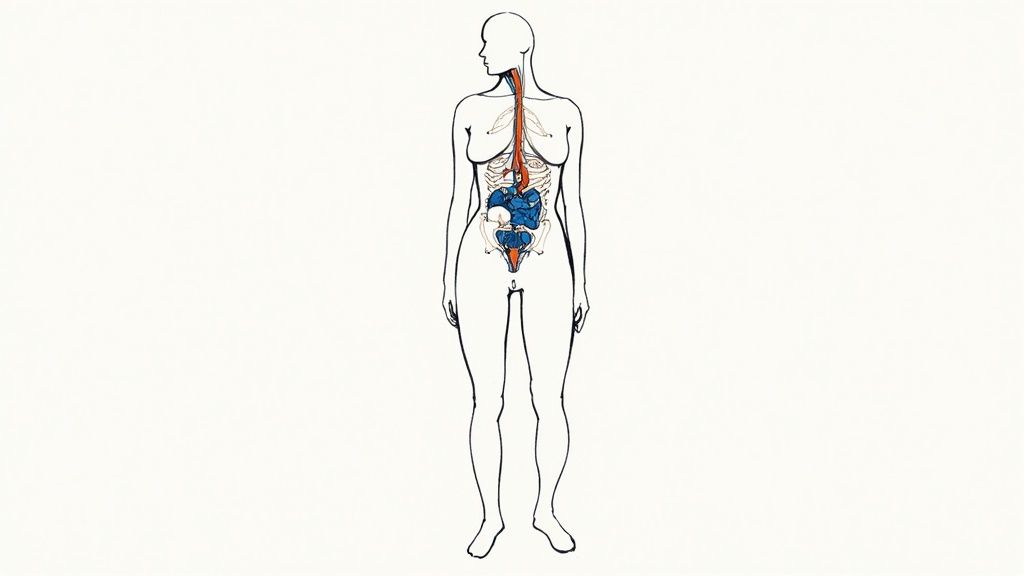
It’s one thing to understand the science of how endocrine disruptors work—how they can mimic, block, or completely sabotage our body’s hormonal signals. It's another thing entirely to connect that science to the real-world health problems people are facing every day.
This isn't just a theoretical risk. The constant, low-level exposure we all face carries significant, tangible costs to our long-term health. Because hormones are our body's master regulators, interfering with them can set off a cascade of problems that might not show up for years, or even decades.
The effects of these endocrine-disrupting chemicals (EDCs) are incredibly widespread, touching nearly every system in the body, from reproductive health to metabolic function and even our risk for certain cancers. Scientists and public health experts are growing more concerned as the evidence linking everyday chemicals to chronic disease becomes too strong to ignore.
The Most Vulnerable Times for Exposure
While anyone can be affected by EDCs, some life stages are far more sensitive than others. These are known as critical windows of vulnerability, periods when the body is undergoing rapid, hormonally-driven growth and development.
During these times, even tiny exposures can have huge, and often permanent, consequences.
The two most critical windows are:
- During Pregnancy: A developing fetus depends on a perfectly timed sequence of hormonal signals to build its organs, brain, and reproductive system. EDCs can cross the placenta and disrupt this delicate dance, potentially "programming" the fetus for future health issues.
- In Infancy and Early Childhood: Hormones drive all the critical growth spurts and milestones from birth through adolescence. Because of their smaller body size and developing metabolism, children get a much higher relative dose of any chemical they encounter, making them uniquely susceptible.
Think of it like a faulty blueprint being used to construct a building. The foundational errors might not be obvious at first, but years later, when the structure is under stress, the cracks begin to show.
This "developmental programming" is a key reason why it's so vital for expecting parents to understand the risks. The choices made during these sensitive windows can have a lasting impact on a child’s entire life.
From Reproductive Issues to Metabolic Disorders
The health consequences tied to EDC exposure are as varied as the endocrine system itself. Some of the most well-documented links involve serious, chronic conditions that are becoming alarmingly common.
Reproductive health is one of the most studied areas. Research has connected EDC exposure to a whole host of problems for both men and women.
- For Women: Scientists have found associations with endometriosis, polycystic ovary syndrome (PCOS), early puberty, and infertility.
- For Men: Studies point to connections with declining sperm counts and quality, along with a higher risk for testicular and prostate cancers.
But it doesn't stop there. EDCs are also being implicated in the global rise of metabolic disorders. Chemicals like BPA and phthalates have been shown to interfere with the hormones that control our appetite, fat storage, and insulin sensitivity. Many now believe this interference is a contributing factor to the explosion of obesity and type 2 diabetes. The detailed effects of endocrine disruptors are far-reaching and worth a closer look.
The Broader Economic and Societal Impact
These health issues aren't just personal tragedies; they create a staggering economic burden on society. The cost of treating these chronic diseases, combined with lost productivity from people being too sick to work, is immense.
Just how immense? Researchers have actually put a number on it.
In the United States alone, the annual cost of healthcare and lost earnings from diseases linked to EDCs is estimated to be over $340 billion. That's more than 2.3% of the entire country's GDP. A similar analysis in the European Union put the annual cost at roughly €157 billion.
These numbers make it crystal clear: this isn't just a personal health choice. It’s a major public health and economic crisis that demands greater awareness and proactive steps to reduce our exposure and mitigate these devastating hidden costs.
Uncovering Endocrine Disruptors in Your Home
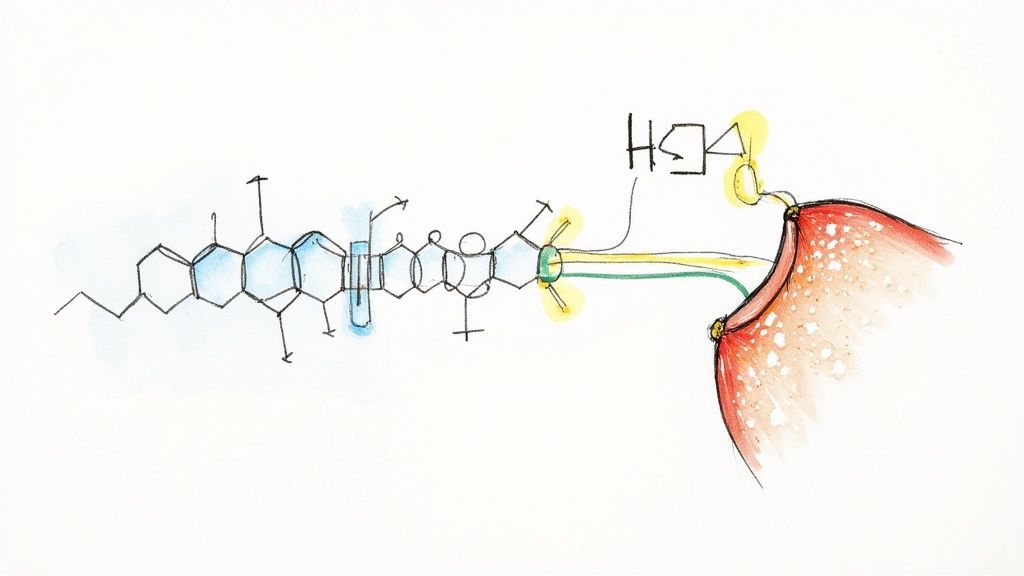
Knowing what endocrine disruptors are is one thing. Realizing they're likely scattered throughout every room of your home is another. These chemicals aren't just in distant factories; they're hiding in plain sight in the products we use every day.
Let's take a quick tour of your home to pinpoint the most common sources. This isn't about causing alarm—it’s about building awareness. Once you know where these impostors hide, you can start making simple, powerful changes to protect your health.
Identifying And Avoiding Common EDCs In Your Home
To make this practical, let's walk through your house room by room. The table below highlights common products that often contain endocrine-disrupting chemicals (EDCs) and gives you straightforward, safer swaps you can make. It’s a simple guide to detoxifying your personal environment.
| Household Area | Common Product | Endocrine Disruptor | Safer Alternative |
|---|---|---|---|
| Kitchen | Non-stick cookware | PFAS | Cast iron, stainless steel, or ceramic cookware |
| Kitchen | Plastic food containers | BPA, Phthalates | Glass, stainless steel, or silicone containers |
| Kitchen | Canned foods (with lining) | BPA | Foods in glass jars, fresh, or frozen options |
| Bathroom | Scented lotions, soaps | Phthalates | Fragrance-free products or those scented with essential oils |
| Bathroom | Shampoos, conditioners | Parabens | Paraben-free hair care products |
| Living Room | Upholstered furniture | Flame Retardants (PBDEs) | Furniture made with natural fibers (wool, cotton, hemp) |
| Living Room | Stain-resistant carpets | PFAS | Untreated natural fiber rugs (wool, jute) or hardwood floors |
| Bedroom | Mattresses (especially older foam) | Flame Retardants (PBDEs) | Mattresses made from organic cotton, wool, or natural latex |
By tackling one area at a time, you can steadily reduce your exposure. The goal isn't to be perfect overnight, but to make conscious choices that contribute to a healthier home and a healthier you.
A Closer Look at Common Culprits
While the table gives you a great starting point, let's dig a little deeper into why these chemicals are there in the first place.
Your kitchen, the heart of your home, can unfortunately be a major source of EDCs. Many are used to make food storage more convenient or to prolong shelf life, which creates a direct pathway from the product into your body. For instance, the slick surface on non-stick pans is often made with PFAS (per- and polyfluoroalkyl substances). While great for flipping eggs, these "forever chemicals" can break down under high heat and get into your food.
Plastic containers and cling wrap get their flexibility from phthalates, which can leach into fatty foods like cheese and meat. And the shiny lining inside most food cans? That’s often an epoxy resin containing BPA (bisphenol A), which can migrate into acidic foods like tomatoes or soup.
Your bathroom is another hotspot, with EDCs hiding in the very products designed for personal care. Parabens are preservatives used to extend the shelf life of lotions and shampoos, while phthalates are often hidden under the generic term "fragrance" to make scents last longer.
For a more detailed walkthrough, check out the ultimate checklist for a hormone-healthy home, which can help you systematically identify and replace products.
Even your cozy living room isn't immune. That comfy sofa might contain foam treated with flame retardants (PBDEs) to meet old flammability standards. Over time, these chemicals break off and become part of the household dust we breathe in every day.
It's crucial to remember that these chemicals are used for a reason—to make plastics flexible, prevent fires, or preserve food. Understanding their purpose helps us find safer alternatives that meet our needs without the hormonal baggage.
Knowing where to look is the first step. By making conscious, informed choices—one product at a time—you can significantly reduce your daily chemical load and create a healthier sanctuary for yourself and your family.
Why Children Are Uniquely Vulnerable
Endocrine-disrupting chemicals (EDCs) can harm anyone, but the danger isn't spread evenly. When it comes to risk, developing fetuses, babies, and young children are on the front lines. Their small, rapidly developing bodies are exceptionally sensitive to the hormonal havoc these chemicals create, making them by far the most vulnerable among us.
The reason for this heightened risk comes down to something experts call developmental programming. Imagine a child's development is like building a house. Hormones are the blueprints and the construction foremen, directing every single step to make sure the foundation is solid and the wiring is perfect. EDCs are like vandals sneaking onto the construction site and messing with those blueprints during the most critical phases of the build.
Even a minuscule exposure during these sensitive windows—like in the womb or during the first few years of life—can permanently alter the body's original construction plans. This can lay the groundwork for health issues that might not show up for years or even decades.
Critical Windows of Exposure
A child’s body isn't just a miniature adult body. Their metabolic systems are faster, and their natural defense mechanisms are still being built. This creates a few key vulnerabilities:
- Placental Transfer: EDCs can pass straight through the placenta. This means a mother's exposure becomes the fetus's exposure, right when organs and the brain are forming.
- Higher Relative Dose: Because they're so small, children get a much bigger dose of chemicals for their body weight. What’s a tiny amount for an adult can be a massive dose for a child.
- Hand-to-Mouth Behavior: Toddlers and young kids explore the world with their hands and mouths. They're constantly touching floors, toys, and furniture, and then putting their hands in their mouths, directly ingesting chemical-laden dust.
This perfect storm of factors means the same environmental exposure hits a child much harder. These early disruptions can have lifelong consequences, affecting everything from physical growth to cognitive ability. For a deeper look at this connection, you can read about how endocrine disorders impact mental health, which often has roots in these early developmental exposures.
The World Health Organization (WHO) has put a global spotlight on just how vulnerable children are to EDCs, calling it a major public health concern. Since these chemicals are in everything from pesticides to everyday household products, exposure is almost unavoidable. The WHO warns that even low doses and chemical mixtures during pregnancy and early childhood can trigger lifelong health and developmental problems. You can explore these critical findings on child health from the WHO for more details.
Protecting the next generation from these invisible threats is one of the most important things we can do. Once we understand why children are so uniquely susceptible, we can take meaningful steps to create safer homes and communities where they can grow up healthy, without these hormonal impostors getting in the way.
Your Action Plan for Reducing Exposure
Feeling overwhelmed? It’s completely understandable. The sheer number of places endocrine disruptors hide can feel daunting. But the goal here is empowerment, not perfection.
You can dramatically lower your family’s chemical load by making small, consistent changes that pack a big punch. Think of this as your clear, actionable roadmap to reducing exposure, starting today. We'll focus on simple, low-stress adjustments in three key areas, and I'll explain why each one works.
Smarter Eating Habits
Since what we eat and drink is a primary way these chemicals enter our bodies, the kitchen is the best place to start. A few simple swaps can make a massive difference.
- Filter Your Drinking Water: This is one of the most effective things you can do. A quality water filter can pull out many common endocrine disruptors, from pesticides to chemicals from industrial runoff.
- Choose Fresh Over Canned: Many metal cans are lined with an epoxy resin containing BPA. This chemical can easily leach into food, especially acidic ones like tomatoes. Whenever you can, opt for fresh, frozen, or food packaged in glass jars instead.
- Avoid Microwaving in Plastic: Heat is the enemy here. It can cause chemicals like phthalates and BPA to migrate from plastic containers directly into your food. Always move your meal to a glass or ceramic dish before you heat it.
Safer Personal Care Routines
The products we put on our skin don't just sit on the surface; they get absorbed into our bloodstream. Taking a closer look at the labels in your bathroom is a powerful way to cut your chemical burden.
Watch out for the word "fragrance" or "parfum" on an ingredient list. It’s a major red flag. This single term can legally hide a proprietary cocktail of hundreds of chemicals, including phthalates, which are notorious endocrine disruptors used to make scents last longer.
Choosing products specifically labeled "fragrance-free" or scented only with pure essential oils is a simple but impactful move. Generally, the shorter and more understandable the ingredient list, the lower your risk of exposure to unwanted additives like parabens and phthalates.
A Healthier Home Environment
Endocrine-disrupting chemicals like flame retardants and PFAS (the "forever chemicals") love to accumulate in household dust. By tweaking your cleaning routine and improving your home's air, you can slash your family's daily exposure.
- Dust with a Damp Cloth: Dry dusting just stirs these chemical-laden particles back into the air, where you can easily inhale them. A damp microfiber cloth or a vacuum with a HEPA filter actually traps and removes them for good.
- Improve Ventilation: It sounds almost too simple, but just opening your windows for a few minutes each day works wonders. It helps cycle out indoor air pollutants that off-gas from furniture, electronics, and flooring.
- Ditch the Non-Stick: That traditional non-stick pan is likely coated with PFAS, which can break down at high temperatures and get into your food. Making the switch to cast iron, stainless steel, or ceramic cookware completely eliminates this source of exposure.
It's not about achieving a perfectly "clean" life overnight. It’s about taking small, deliberate steps. Each of these changes builds on the last, adding up to a significantly healthier environment for you and your family.
Frequently Asked Questions About Endocrine Disruptors
Even after getting a handle on endocrine disruptors, it's completely normal to have some questions swirling around. Let's walk through some of the most common ones I hear, so you can feel more confident about what this all means for you and your family.
Is It Possible to Avoid All Endocrine Disruptors?
The honest answer? No, it's not. These chemicals are just about everywhere in our modern world, from the dust bunnies under your sofa to the packaging on your food. Trying to achieve 100% avoidance is impossible, and frankly, it would drive you crazy.
But that's not the point. The real goal here is smart reduction, not impossible perfection. Think of it as lightening your body's chemical burden. By focusing on a few high-impact changes—like filtering your drinking water, choosing fresh, unpackaged foods when you can, and being picky about your personal care products—you can dramatically lower your daily exposure. Every small step truly does count.
Are Natural Products Automatically Safe?
This is a huge misconception, and it’s a dangerous one. Just because a label screams "natural" or "plant-based" doesn't mean it’s free from endocrine-disrupting chemicals (EDCs). Some naturally derived ingredients, like certain essential oils, can have powerful hormonal effects themselves. Plus, "natural" products can still be contaminated or contain unlisted synthetic additives.
True safety isn't about marketing claims; it's about being a savvy consumer. Your best bet is to ignore the buzzwords on the front of the bottle and instead turn it over. Read the actual ingredient list, look for credible third-party certifications, and favor products with simple, transparent formulas.
How Are These Chemicals Regulated?
This is where things get frustrating. The regulation of EDCs is notoriously slow and complicated, often lagging years—or even decades—behind the science. Many chemicals made their way into our homes and onto our shelves with little to no testing for their long-term hormonal impacts. The system is mostly reactive, meaning action is often taken only after widespread harm has already become apparent. Unfortunately, this puts the responsibility right back on us as consumers.
This gap in oversight is precisely why personal diligence is so important. While scientific evidence is mounting and pushing for change, progress is patchy. A 2025 review highlighted a boom in research, but it also showed that studies are concentrated in certain parts of the world, leaving huge blind spots elsewhere. If you're interested in the data, you can explore the full findings on endocrine disruptor science. It really shows why we have to be our own advocates while we wait for policy to catch up.
Can the Health Effects Be Reversed?
This is the tough question, isn't it? The answer is complex. For some, making significant lifestyle changes can absolutely help the body detoxify and regain a healthier balance. However, we have to be realistic: some effects, especially those from exposures during critical windows like pregnancy or early childhood, may be lasting.
This sobering fact really drives home why prevention is everything. When you take steps to reduce your exposure today, you’re not just protecting your own health in the here and now. You're making a profound investment in the long-term well-being of the next generation. Knowledge is our most powerful tool, but only when we put it into action.
At Esoterica, we believe that creating a healthier, low-tox life should feel empowering, not overwhelming. We provide the trusted information and practical guidance you need to make confident choices for your home and family. Start your journey with us today at https://shopesoterica.co.
Article created using Outrank

