
In a world saturated with hidden additives and endocrine-disrupting chemicals (EDCs), the concept of "eating clean" extends far beyond mere calorie counting. It's a powerful strategy for reducing your body's toxic load, supporting hormonal balance, and fostering genuine, long-term health. The challenge, however, is integrating this mindful approach into a busy schedule that often leaves little room for daily, from-scratch cooking. This is where strategic preparation becomes essential.
This guide moves past the repetitive chicken-and-broccoli routine, offering a collection of practical and effective clean eating meal prep ideas specifically designed for a low-tox lifestyle. We will explore seven core methods, from versatile sheet pan combinations and vibrant mason jar salads to foundational grain bowls and nutrient-dense freezer smoothie packs.
These strategies are engineered to save you critical time and mental energy during the week. More importantly, they give you complete control over every ingredient, ensuring your meals are as nourishing and pure as possible. By adopting these techniques, you aren't just organizing your kitchen; you are actively building a sustainable framework for wellness. Let's explore the actionable methods that will transform your meal prep process into a cornerstone of health and efficiency.
1. Sheet Pan Protein and Vegetable Combinations
Sheet pan cooking is the epitome of efficient, low-effort clean eating meal prep. This method involves roasting a lean protein, a variety of vegetables, and a healthy carb source together on a single baking sheet. The high, dry heat of the oven caramelizes the natural sugars in the vegetables, creating a deep, savory flavor without needing heavy oils, processed sauces, or added sugars, which is a core principle of low-tox living.
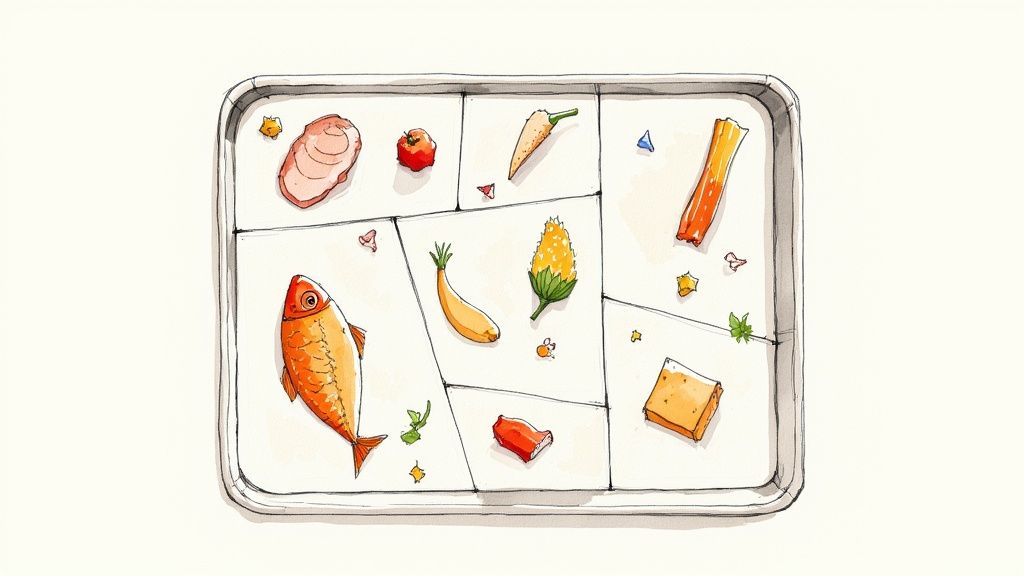
This one-pan approach simplifies both the cooking and cleanup processes, making it one of the most sustainable clean eating meal prep ideas for busy individuals. By combining all your macronutrients on one pan, you create balanced, nutrient-dense meals that are easy to portion and store for the week ahead.
Why It Works for Clean Eating
The beauty of sheet pan meals lies in their simplicity and versatility. You can easily adapt them to feature seasonal, organic produce and high-quality proteins. This method preserves more nutrients compared to boiling, and the roasting process enhances flavor without relying on processed ingredients. It's an excellent way to use up leftover vegetables and minimize food waste.
How to Implement Sheet Pan Meal Prep
Follow these actionable steps to master this technique:
- Choose Your Components: Select a lean protein (chicken, salmon, tofu), a variety of colorful vegetables (broccoli, bell peppers, asparagus, sweet potatoes), and a simple seasoning blend (herbs, spices, a touch of avocado oil).
- Uniform Cutting: Chop heartier vegetables like potatoes and carrots into smaller, uniform pieces to ensure they cook at the same rate as quicker-cooking items like bell peppers and zucchini.
- Parchment Paper is Key: Line your baking sheet with unbleached parchment paper. This prevents sticking without requiring excess oil and makes cleanup incredibly easy.
- Time Your Ingredients: Add quick-cooking vegetables like asparagus or cherry tomatoes during the last 10-15 minutes of roasting to prevent them from becoming overcooked and mushy.
Popularized by programs like Whole30 and fitness influencers, this method is a cornerstone of modern meal prep. For a visual guide on mastering the technique, check out this helpful video.
2. Mason Jar Layered Salads
Mason jar layered salads are a revolutionary approach to meal prep that solves the age-old problem of soggy, wilted greens. This method uses a strategic layering system to keep wet ingredients separate from delicate ones, ensuring your salad stays crisp and fresh for up to a week. By placing the dressing at the bottom and the greens at the top, you preserve the texture and nutritional integrity of each component, which is essential for a clean, low-tox diet that prioritizes fresh, unprocessed foods.
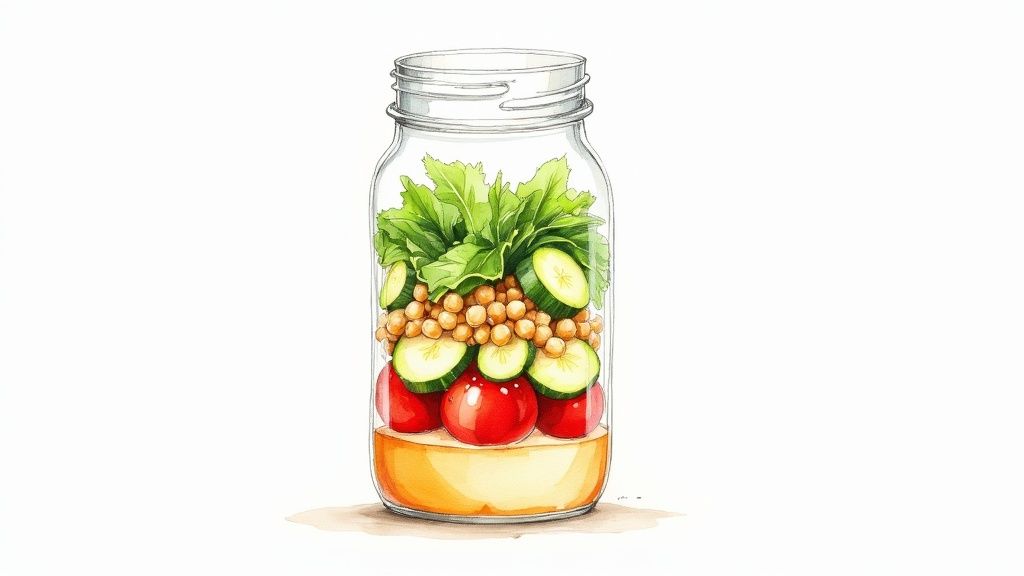
This grab-and-go solution makes it incredibly easy to have a nutrient-packed lunch ready every day. It’s one of the most effective clean eating meal prep ideas for anyone with a busy schedule, as it combines the convenience of a pre-made meal with the health benefits of a freshly prepared salad. Just shake to combine before eating, and you have a perfect meal.
Why It Works for Clean Eating
The genius of the mason jar salad is its ability to keep raw ingredients in their optimal state. This method encourages the use of a wide array of fresh, raw vegetables, which are packed with live enzymes and micronutrients that can be lost during cooking. You have full control over the ingredients, allowing you to create dressings from simple, whole foods like olive oil and lemon juice, avoiding the preservatives and refined sugars found in most store-bought options.
How to Implement Mason Jar Salad Prep
Follow these actionable steps to create the perfect layered salads:
- Layer 1: Dressing: Always start with the dressing at the very bottom. A simple vinaigrette made with olive oil, vinegar, and herbs works best.
- Layer 2: Hard Vegetables: Add your sturdiest ingredients next, such as chopped carrots, chickpeas, bell peppers, or cucumbers. These create a barrier between the dressing and more delicate items.
- Layer 3: Grains & Proteins: This is where you can add cooked quinoa, black beans, lentils, or chopped hard-boiled eggs.
- Layer 4: Soft Ingredients & Greens: Finish with your most delicate ingredients at the top. This includes leafy greens like spinach or arugula, sprouts, and soft items like avocado (add this the day of, if possible).
Popularized by food bloggers like Sally's Baking Addiction and the Pinterest meal prep community, this technique is a game-changer. Using wide-mouth jars makes assembly and eating much simpler, and prepping five jars on a Sunday can set you up with healthy lunches for the entire workweek.
3. Grain Bowl Base Prep
The grain bowl base prep method is a modular approach to clean eating that offers unparalleled flexibility. It involves cooking large batches of nutritious whole grains like quinoa, brown rice, or farro to serve as the foundation for various meals. This "build-your-own" system allows you to assemble diverse, nutrient-dense bowls throughout the week by pairing the pre-cooked grains with different proteins, vegetables, and clean dressings.
This strategy is one of the most effective clean eating meal prep ideas because it prevents flavor fatigue while adhering to whole-food principles. By having a neutral, fiber-rich base ready to go, you can create a Mediterranean bowl one day and an Asian-inspired bowl the next, simply by swapping out the toppings and sauces.
Why It Works for Clean Eating
This method champions variety and nutrient density, two cornerstones of clean eating. Whole grains provide sustained energy, fiber, and essential minerals. Preparing them in advance allows you to avoid processed, quick-cook grains that often contain additives. It also encourages the use of fresh, whole-food toppings like roasted vegetables, lean proteins, and homemade dressings, giving you complete control over every ingredient.
How to Implement Grain Bowl Base Prep
Follow these actionable steps to master this versatile technique:
- Choose Your Grains: Select 2-3 different whole grains for the week to keep things interesting. Good options include quinoa, farro, brown rice, and millet.
- Boost Flavor and Nutrients: Cook your grains in organic vegetable or bone broth instead of water. This simple swap infuses them with extra flavor and valuable nutrients without adding processed ingredients.
- Batch Cook Components: Prepare your proteins (grilled chicken, chickpeas, baked tofu) and vegetables (roasted sweet potatoes, steamed broccoli) separately. This mix-and-match approach is key to creating different meal combinations.
- Store for Freshness: Store cooked grains in airtight containers in the refrigerator for up to four days. For longer storage, freeze portion-sized servings, which can be quickly reheated.
Pioneered by nutritionists like McKel Hill of Nutrition Stripped and authors like Laura Wright, this base-prep strategy makes creating balanced, clean meals incredibly simple and sustainable.
4. Clean Freezer Smoothie Packs
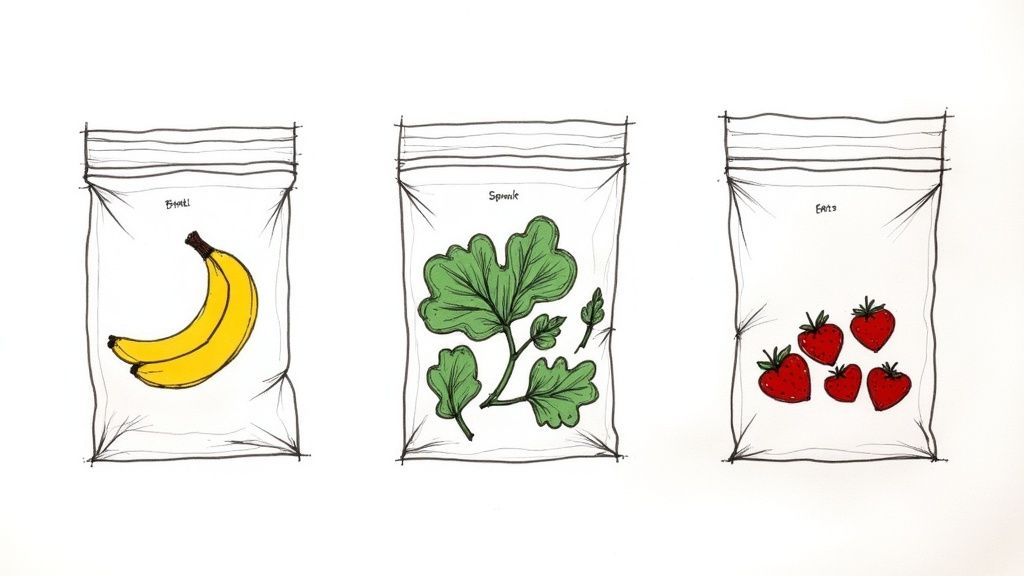
Freezer smoothie packs are a game-changer for anyone needing a quick, nutrient-dense breakfast or post-workout snack. This method involves pre-portioning all the solid ingredients for a single smoothie (fruits, vegetables, seeds, and powders) into individual bags or containers and storing them in the freezer. This grab-and-blend system eliminates the daily hassle of washing, chopping, and measuring, ensuring a perfectly balanced, clean smoothie is always just moments away.
This simple prep strategy locks in nutrients at their peak freshness and significantly reduces food waste by using up produce before it spoils. It’s one of the most effective clean eating meal prep ideas because it gives you complete control over your ingredients, helping you avoid the hidden sugars and preservatives common in store-bought options.
Why It Works for Clean Eating
The power of freezer smoothie packs lies in their convenience and nutritional consistency. By prepping everything in advance, you can ensure each smoothie is packed with fiber, healthy fats, and micronutrients without a second thought. This approach is perfect for incorporating greens like spinach or kale, which can be easily masked by fruits. It also makes it simple to stick to your health goals, even on the busiest mornings.
How to Implement Freezer Smoothie Pack Prep
Follow these actionable steps to master this technique:
- Choose Your Components: Combine a frozen fruit for natural sweetness (banana, berries), a leafy green (spinach, kale), a healthy fat (avocado, chia seeds, hemp hearts), and any superfood powders (protein powder, spirulina, maca).
- Batch and Assemble: Dedicate one hour to wash, chop, and portion ingredients for 10-14 packs. This sets you up with two weeks of instant, healthy meals. For more inspiration on quick and healthy blends for your freezer packs, explore these delicious low sugar, high protein smoothie recipes.
- Label and Store: Clearly label each pack with the contents and the recommended liquid to add (e.g., "Add 1 cup almond milk"). Stack them neatly in the freezer for easy access. Consider reusable silicone bags or our recommended glass food storage containers to minimize plastic exposure.
- Blend and Enjoy: When ready, simply empty the contents of one pack into your blender, add your liquid of choice, and blend until smooth.
Popularized by fitness and wellness experts like Autumn Calabrese, this meal prep hack is a cornerstone for busy, health-conscious individuals who refuse to compromise on nutrition.
5. Lean Protein Batch Cooking
Lean protein batch cooking is a systematic approach to preparing large quantities of your primary protein sources for the week. This foundational meal prep strategy involves cooking proteins like chicken, fish, or tofu using clean methods such as grilling, baking, or slow cooking, seasoned simply with herbs and spices instead of processed sauces or marinades. By dedicating a block of time to this task, you ensure a ready supply of high-quality protein to anchor your meals, which is essential for muscle repair, satiety, and stable energy levels.
This method simplifies daily meal assembly, transforming it from a chore into a quick mix-and-match process. Having pre-cooked protein on hand is a game-changer, making it one of the most effective clean eating meal prep ideas for maintaining a healthy diet amidst a hectic schedule. It prevents you from reaching for less-healthy convenience foods when hunger strikes.
Why It Works for Clean Eating
Batch cooking protein puts you in complete control of the ingredients, a cornerstone of clean, low-tox living. You can choose organic, pasture-raised, or wild-caught options and season them yourself, avoiding the hidden sugars, industrial seed oils, and artificial additives common in pre-marinated or processed protein products. This method also supports consistent macronutrient intake, a key element for anyone with fitness or specific health goals.
How to Implement Lean Protein Batch Cooking
Follow these actionable steps to master this technique:
- Choose Your Proteins and Method: Select 2-3 lean proteins for the week (e.g., chicken breast, salmon, lean ground turkey). Decide on a cooking method for each, such as baking herb-crusted chicken, grilling salmon with dill and lemon, or slow-cooking turkey with sage and garlic.
- Marinate for Flavor: For maximum flavor and tenderness, marinate your proteins overnight in a mixture of olive oil, lemon juice, fresh herbs, and spices.
- Use a Meat Thermometer: To avoid dry, overcooked protein, always use a meat thermometer to ensure it reaches a safe internal temperature without going over. Slightly undercooking is often ideal, as it will cook further upon reheating.
- Cool and Store Properly: Allow all cooked protein to cool completely before portioning and refrigerating. This crucial step prevents bacterial growth. For longer storage, consider vacuum sealing individual portions.
Popularized by the bodybuilding community and clean eating advocates like Tosca Reno, this technique is a non-negotiable for serious meal preppers. For a simple guide on batch cooking chicken, this video from Clean & Delicious offers a great starting point.
6. Raw and Cooked Vegetable Combinations
A strategic approach to maximizing nutrient intake involves combining both raw and cooked vegetables in your meals. This method leverages the fact that different preparation techniques affect vegetables in distinct ways. Cooking can break down tough cell walls, making certain nutrients like lycopene in tomatoes or beta-carotene in carrots more bioavailable, while leaving vegetables raw preserves delicate, heat-sensitive vitamins like Vitamin C.
This dual approach creates meals that are not only nutritionally superior but also texturally and flavorfully complex. The contrast between tender, caramelized roasted vegetables and crisp, fresh raw ones makes for a more satisfying and engaging eating experience, making this one of the more thoughtful clean eating meal prep ideas for a well-rounded diet.
Why It Works for Clean Eating
This method is a cornerstone of functional nutrition because it provides a broader spectrum of vitamins, minerals, and antioxidants. It moves beyond a one-size-fits-all approach to vegetable prep, acknowledging the unique nutritional profile of each plant. For instance, pairing sautéed spinach (high in accessible iron and calcium) with raw bell peppers (rich in Vitamin C) creates a synergistic meal where the Vitamin C enhances iron absorption. By varying your preparation methods, you ensure your body gets the best of both worlds.
How to Implement Raw and Cooked Veggie Prep
Follow these actionable steps to master this technique:
- Separate for Storage: Always store your prepped raw and cooked vegetables in separate airtight containers. Combining them prematurely will make the raw ingredients wilt and become soggy.
- Batch Cook Strategically: Dedicate time to roast or steam heartier vegetables like Brussels sprouts, beets, and broccoli. These will form the warm, savory base of your meals throughout the week.
- Prep Raw Just-in-Time: To maintain maximum freshness and crispness, chop or shred raw vegetables like cucumbers, cabbage, and arugula closer to mealtime, or prep just enough for 1-2 days.
- Assemble Before Serving: Create your final dish just before eating. Start with a base of cooked veggies and grains, then top with your fresh, raw components and a clean dressing.
This technique is often recommended by functional medicine practitioners and integrative nutrition experts. To ensure your vegetables are as clean as possible, it is also crucial to understand how to select produce with minimal pesticide exposure. For more insights on this topic, you can read about how to avoid pesticides in food.
7. Clean Sauce and Dressing Prep
Commercially produced sauces and dressings are often a hidden source of processed sugars, unhealthy fats, and artificial additives that undermine clean eating efforts. Preparing your own sauces and dressings is a simple yet powerful meal prep strategy that puts you in complete control of every ingredient, ensuring your meals are flavorful without compromising your low-tox principles.
This approach involves batch-prepping versatile, preservative-free condiments using whole food ingredients. A well-made homemade sauce can transform a simple bowl of grains and vegetables or a piece of grilled chicken into an exciting and satisfying meal, making this one of the most impactful clean eating meal prep ideas for adding variety and flavor to your weekly menu.
Why It Works for Clean Eating
Store-bought dressings and sauces frequently contain refined oils, high-fructose corn syrup, and chemical preservatives. By making your own, you can use healthy, anti-inflammatory fats like those found in quality olive oils, natural sweeteners like a touch of honey, and fresh herbs packed with micronutrients. This practice aligns perfectly with low-tox living and helps you avoid hidden ingredients that can disrupt your health goals. Learning how to identify these additives is crucial, which is why understanding how to read ingredient labels is a valuable skill.
How to Implement Clean Sauce Prep
Follow these actionable steps to master this technique:
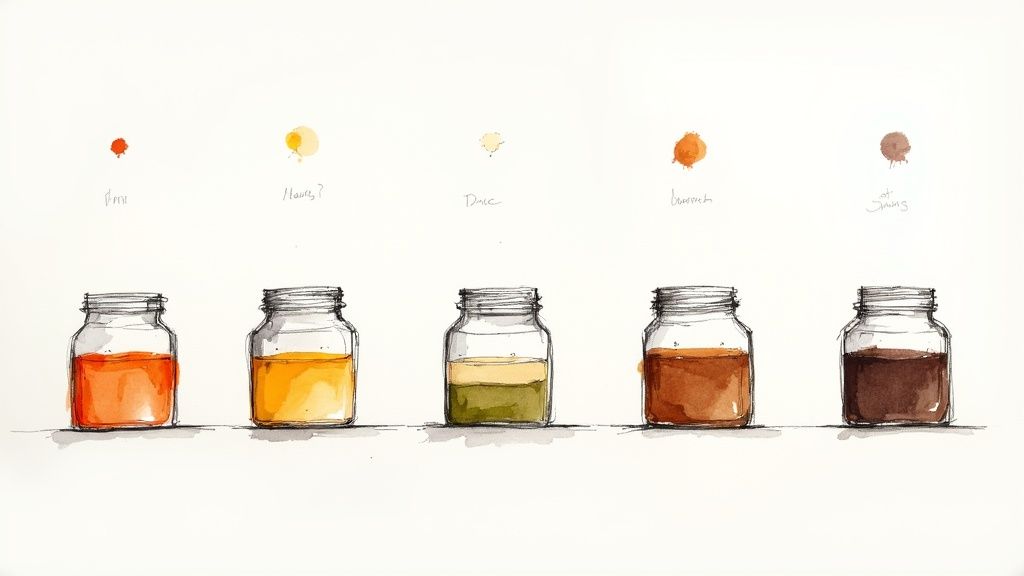
- Choose Your Base: Start with a healthy fat like avocado oil or olive oil, a creamy base like Greek yogurt or tahini, or a vibrant base like pureed roasted red peppers or avocado.
- Add Acidity and Flavor: Balance the base with an acid like fresh lemon juice or apple cider vinegar. Build flavor with garlic, fresh herbs (cilantro, basil, dill), and spices.
- Store for Longevity: Use airtight glass jars to store dressings in the refrigerator, preventing plastic leaching and keeping them fresh for up to a week. Label each jar with the name and date it was made.
- Freeze for Future Use: Herb-based sauces like pesto freeze exceptionally well. Portion them into ice cube trays, freeze solid, then transfer the cubes to a freezer-safe bag for quick, single-serving flavor boosts.
Popularized by clean eating authors like Amie Valpone and programs such as Whole30, this simple habit elevates your meal prep by ensuring every component of your meal is truly clean.
7 Clean Eating Meal Prep Ideas Comparison
| Item | Implementation Complexity | Resource Requirements | Expected Outcomes | Ideal Use Cases | Key Advantages |
|---|---|---|---|---|---|
| Sheet Pan Protein and Vegetable Combinations | Moderate: requires oven timing coordination | Oven, sheet pans, seasonal vegetables, proteins | Balanced, nutrient-preserved roasted meals | Batch cooking, meal portioning | Minimal cleanup, nutrient retention, flavor variety |
| Mason Jar Layered Salads | Low to Moderate: needs layering knowledge | Mason jars, fresh raw ingredients | Crisp, fresh salads lasting up to a week | Grab-and-go meals, raw salad prep | Long freshness, portable, reduces daily prep |
| Grain Bowl Base Prep | Moderate: batch cooking grains and components | Cookware (pots, rice cooker), grains, proteins | Versatile nutrient-dense meal bases | Flexible meal variety, fiber focus | High fiber, stable blood sugar, cost-effective |
| Clean Freezer Smoothie Packs | Moderate: precise portioning and prep time | Freezer bags, blender, fresh produce | Quick, consistent smoothies with extended shelf life | Busy mornings, travel-friendly | Time-saving, reduces waste, consistent nutrition |
| Lean Protein Batch Cooking | Moderate to High: multiple cooking methods | Various cooking appliances, lean proteins | Consistent protein supply, portioned for week | Fitness-focused protein intake | Saves time, cost-effective, versatile protein prep |
| Raw and Cooked Vegetable Combinations | High: knowledge of veggie nutrient profiles | Containers for raw/cooked separation, variety | Maximized nutrient absorption with texture variety | Nutrient optimization, diverse meals | Enhanced absorption, texture contrast, appealing |
| Clean Sauce and Dressing Prep | Moderate: ingredient sourcing and mixing | Whole food ingredients, storage jars | Preservative-free, flavorful dressings and sauces | Custom condiments, dietary restrictions | Full ingredient control, enhances simple meals |
Integrating Clean Meal Prep into Your Low-Tox Lifestyle
Embarking on a journey of clean eating meal prep is far more than a time-saving strategy; it's a foundational pillar for building a sustainable, low-tox lifestyle. By thoughtfully preparing your meals, you regain control over every ingredient, ensuring your body is nourished with whole, unprocessed foods. This practice directly reduces your exposure to the preservatives, artificial additives, and hidden sugars prevalent in convenience foods and takeout, creating a powerful buffer against environmental toxins.
The true beauty of the clean eating meal prep ideas we've explored lies in their adaptability and simplicity. You don't need to be a professional chef or dedicate your entire Sunday to the kitchen. The goal is to build a system that serves you, reduces decision fatigue during busy weeks, and makes healthy choices the easiest option available. By mastering techniques like batch cooking lean proteins or prepping versatile grain bowl bases, you create a foundation for countless nutritious meals.
Your Path to Sustainable Meal Prep Success
To make this a lasting habit, focus on gradual integration rather than a complete overhaul. Start with what feels most achievable and impactful for your routine.
- For Beginners: If you're just starting, choose one or two simple methods. The Sheet Pan Protein and Vegetable Combinations offer a high reward for minimal effort, while Mason Jar Layered Salads make grab-and-go lunches effortless and appealing.
- For Intermediate Preppers: Once you're comfortable with the basics, expand your repertoire. Begin experimenting with Clean Sauce and Dressing Prep. Having a homemade vinaigrette or a versatile tomato sauce on hand can elevate simple ingredients and prevent you from reaching for store-bought versions loaded with inflammatory oils and preservatives.
- For Advanced Enthusiasts: To fully optimize your system, combine multiple strategies. Pair your Lean Protein Batch Cooking with Raw and Cooked Vegetable Combinations to create dynamic, texturally interesting meals all week long. Adding Clean Freezer Smoothie Packs ensures you have a nutrient-dense breakfast or snack ready in seconds.
The Broader Impact on Your Well-being
Remember, every meal you prepare is a direct investment in your long-term health. This consistent effort supports stable energy levels, hormonal balance, and a resilient immune system. As you fuel your body with clean, nutrient-rich foods, you're also creating an internal environment where it can thrive and detoxify more effectively. To truly optimize your well-being through a low-tox lifestyle, gaining a deeper understanding of your internal ecosystem with this essential guide to digestive wellness is incredibly beneficial.
Ultimately, mastering these clean eating meal prep ideas empowers you to align your daily actions with your health goals. It’s a transformative practice that moves you from being a passive consumer to an active participant in your own wellness journey. Embrace the process, celebrate your consistency, and enjoy the profound benefits of nourishing your body from the inside out.
Ready to enhance your low-tox kitchen? Discover the Esoterica collection of curated, non-toxic cookware and food storage solutions designed to support your clean eating journey. Shop Esoterica today and equip your home with the safe, beautiful tools you need to make meal prep a seamless and joyful part of your life.


